February 13, 2026
Beginning in the last quarter of 2026, US citizens will be required to obtain a travel authorization via the European Travel Information and Authorization System (ETIAS) before flying to most European countries. While often called a “visa waiver,” it functions similarly to the US ESTA system—a quick digital security screening rather than a formal, paper-heavy visa process.
How the Process Works
The application is entirely online and is designed to take about 10–20 minutes. Most travelers will receive an approval via email within minutes, though some cases may take up to 4 days if additional checks are needed.
- Requirements: You will need a valid US passport (with at least 3 months of validity beyond your stay), an email address, and a credit/debit card for the fee.
- Security Questions: The form asks for basic personal data, travel plans, and background questions regarding health and criminal records.
- No Paperwork: Once approved, the ETIAS is digitally linked to your passport. You do not need to print anything out; the airline and border agents will see it when they scan your passport.
Important: The Transition Period
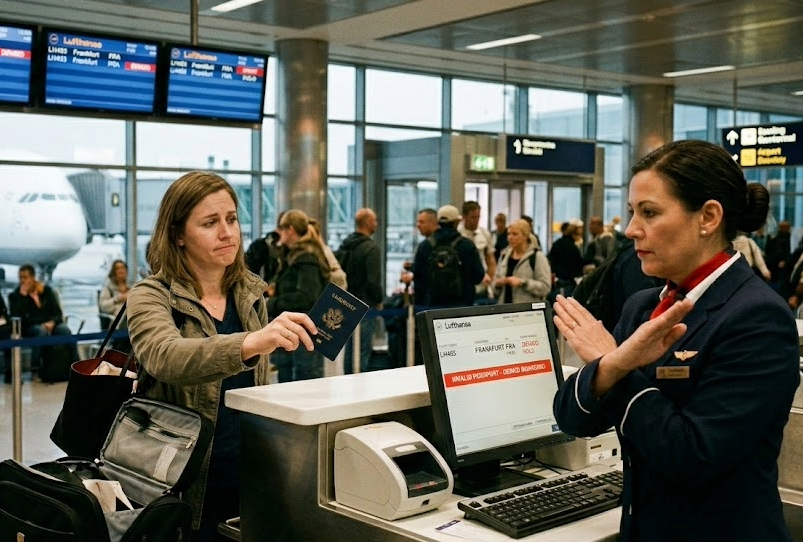
The EU has announced a six-month transitional period once the system launches. During this time, travelers will be informed about the requirement but won’t be blocked from entry if they don’t have it yet (provided they meet all other entry rules). However, once the subsequent grace period ends, a valid ETIAS will be a hard requirement for boarding your flight.
Note: ETIAS is not a visa. US citizens still enjoy visa-free travel for tourism and business. If you plan to work, study, or stay longer than 90 days, you will still need a traditional national visa.
Stay ahead of the curve with 10MTN. We’ll keep this guide updated as new details on the ETIAS program emerge in the coming months.


Leave a Reply